What to measure
How to use the grass seed calculator
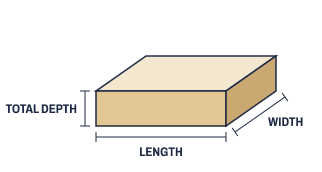
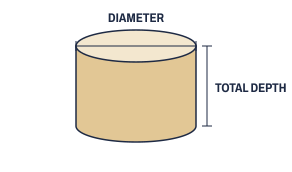
Measure the lawn as a rectangle or circle, pick the grass type and whether it’s a new lawn or overseeding. Set the bag size you plan to buy to see how many bags.
The formula
Pounds of seed = area (sq ft) ÷ 1,000 × seeding rate — halved for overseeding.
Worked example: 50 × 40 ft new tall fescue lawn
- 50 × 40 = 2,000 sq ft
- 2,000 ÷ 1,000 × 6 lb = 12 lb of seed → 3 bags of 5 lb
- Overseeding the same lawn: 6 lb
Seeding rates we use (new lawn)
| Grass | lb per 1,000 sq ft |
|---|---|
| Tall fescue | 6 |
| Kentucky bluegrass | 2 |
| Bluegrass + perennial ryegrass | 2.5 |
| Bermudagrass (hulled) | 1.5 |
Rates come from NC State Extension. Seed blends vary — when your bag lists a rate, use it.
Grass seed by lawn size
Pounds for a new lawn. Halve them for overseeding.
| Lawn area | Tall fescue | Kentucky bluegrass | Bermudagrass |
|---|---|---|---|
| 1,000 sq ft | 6 lb | 2 lb | 1.5 lb |
| 2,500 sq ft | 15 lb | 5 lb | 3.8 lb |
| 5,000 sq ft | 30 lb | 10 lb | 7.5 lb |
| 10,000 sq ft | 60 lb | 20 lb | 15 lb |
| 1 acre (43,560 sq ft) | 261.4 lb | 87.1 lb | 65.3 lb |
Common mistakes
- Using a new-lawn rate to overseed. An existing lawn needs about half as much; the extra seed only crowds the seedlings.
- Ignoring the rate on the bag. Blends and coated seed differ from the plain rates above. When the bag gives a rate, use it.
- Spreading in one pass. Split the seed in half and spread it in two directions for even cover.
- Measuring the whole lot. Subtract the house, driveway and beds; only the area you’ll seed counts.
Frequently asked questions
How much grass seed per 1,000 square feet?
About 6 lb of tall fescue, 1–2 lb of Kentucky bluegrass, 2.5 lb of a bluegrass–ryegrass mix and 1–2 lb of hulled bermudagrass for a new lawn (NC State Extension). Coated seed may need up to double.
How much seed do I need to overseed?
About half the new-lawn rate. For 2,000 sq ft of tall fescue that's 6 lb instead of 12.
Is more seed better?
No. Seeding heavier than recommended produces crowded, weak seedlings that are more prone to disease. Follow the rate on the bag.
When should I plant grass seed?
Cool-season grasses (fescue, bluegrass, ryegrass) in early fall, with spring as second best. Warm-season grasses like bermudagrass in late spring to early summer.
How much grass seed do I need for an acre?
An acre is 43,560 sq ft. For a new tall fescue lawn that's 261.4 lb (6 bags of 50 lb), or 130.7 lb for overseeding. Kentucky bluegrass needs 87.1 lb for a new lawn.
How much grass seed for 5,000 square feet?
For a new lawn, 30 lb of tall fescue, 10 lb of Kentucky bluegrass, 12.5 lb of a bluegrass and ryegrass mix or 7.5 lb of hulled bermudagrass.
How much seed to overseed 1,000 square feet?
Half the new-lawn rate, which is 3 lb of tall fescue, 1 lb of Kentucky bluegrass, about 1.3 lb of a bluegrass and ryegrass mix or 0.8 lb of hulled bermudagrass.
How many bags of grass seed for 10,000 square feet?
For a new tall fescue lawn, 60 lb, which is 12 bags of 5 lb. Overseeding takes 30 lb, or 6 bags. Kentucky bluegrass needs 20 lb for a new lawn.
Sources
Formulas and defaults last reviewed October 30, 2026. How we check our math.